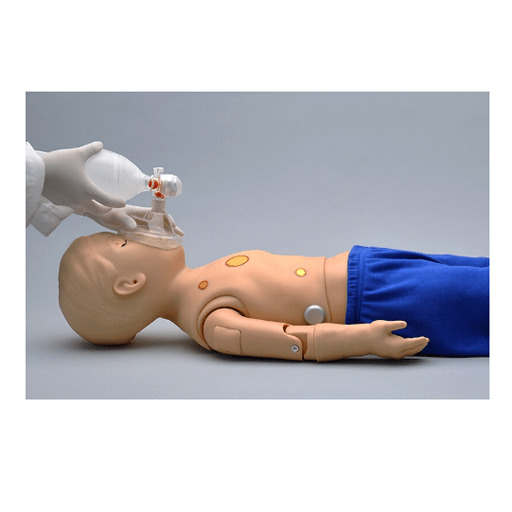
(S3004) PEDIATRIC HAL® - WIRELESS AND TETHERLESS ONE-YEAR-OLD PEDIATRIC SIMULATOR
Pediatric HAL® memungkinkan Anda mengambil simulasi lanjutan di mana Anda perlu berlatih. Mungkin di lokasi kecelakaan, di UGD, kendaraan EMS, atau bahkan di PICU. HAL® tetap berfungsi penuh saat dipindahkan dari satu tempat ke tempat lain. "Kepedulian dalam gerakan" ini memungkinkan Anda mengevaluasi pelatihan tim dan seberapa baik "pelepasan" pasien dilakukan...Baca Selanjutnya
Kategori: Gaumard
Tag: jayakelana,gaumard
- Jl. Ciputat Raya No 7-8, Tanah Kusir, Kebayoran Lama Selatan, Jakarta Selatan
- (+62-21) 7265209 / 7265210
- +62 812-8531-9761
- jka92@hotmail.com
- Senin - Jumat 08:30 – 17:00
Fitur
• Tersedia dalam warna kulit etnik
• Tetherless dan sepenuhnya responsif bahkan saat diangkut
• Didukung dari baterai isi ulang internal atau stopkontak
• Simulator menerima perintah dari PC tablet nirkabel dan beroperasi pada jarak hingga 300 Ft. (100 m)
• Simulator dapat beroperasi secara otomatis menggunakan Mode Otomatis opsional atau oleh Instruktur
• Panduan Pelatihan dengan skenario interaktif dasar dan lanjutan
• Gunakan skenario yang telah diprogram sebelumnya, modifikasi atau buat sendiri dengan cepat dan mudah
• Instalasi dan pelatihan di seluruh dunia
• Simulasi Made EasyTM
Saluran udara
• Jalan napas yang dapat diprogram
• Edema lidah
• Beberapa suara saluran napas atas disinkronkan dengan pernapasan
• Intubasi nasal atau oral
• Intubasi saluran utama kanan
• Sensor mendeteksi kedalaman intubasi
• Jalan napas mungkin terhalang
• Blok paru kanan, paru kiri, atau kedua paru
• Memiringkan kepala/mengangkat dagu
• Teknik suction dapat dipraktekkan
• Ventilasi Bag-Valve-Mask
• Penempatan tambahan jalan nafas konvensional
• Intubasi endotrakeal menggunakan ETT konvensional
• Retrograde intubasi
• Manuver Sellick menampilkan pita suara
• Lakukan trakeostomi
• Perawatan trakeostomi dan pengisapan
Fitur Saluran Udara Baru
• Geometri yang realistis dan epiglotis yang lebih besar. Visualisasi pita suara yang lebih baik serta intubasi yang mudah
• Peningkatan recoil dinding dada selama CPR
• Kesesuaian paru disempurnakan untuk menghasilkan pengembangan dada saat ventilasi pada 20 cm H2O
Jantung
• EKG dihasilkan dalam waktu nyata dengan variasi fisiologis yang tidak pernah mengulang pola buku teks
• Bunyi jantung dapat diauskultasi dan disinkronkan dengan EKG
Pernafasan
• Kontrol laju dan kedalaman pernapasan dan amati pengembangan dada
• Pengangkatan dada otomatis disinkronkan dengan pola pernapasan
• Pilih suara paru atas kiri dan kanan yang independen
• Dada mengembang dan bunyi paru disinkronkan dengan pola pernapasan yang dapat dipilih
• Mengakomodasi bantuan ventilasi termasuk BVM dan dukungan mekanis
• Ventilasi diukur dan dicatat
• Distensi lambung dengan ventilasi BVM berlebihan
• Kompresi dada menghasilkan bentuk gelombang tekanan darah yang teraba dan artefak EKG
• Deteksi dan pencatatan ventilasi dan kompresi
• Simulasi pernapasan spontan
• Laju pernapasan variabel dan rasio inspirasi/ekspirasi
• Naik turunnya dada bilateral
• Pengangkatan dada unilateral mensimulasikan pneumotoraks
• Bunyi napas normal dan abnormal
Sirkulasi
• Ukur tekanan darah dengan palpasi atau auskultasi
• Gunakan manset BP yang dimodifikasi untuk mengukur tekanan darah
• Bunyi Korotkoff terdengar antara tekanan sistolik dan diastolik
• Situs pulsa disinkronkan dengan BP dan detak jantung
• Lengan IV bilateral dengan tempat pengisian/pengurasan
• Kilas balik realistis
• Tempat injeksi SubQ dan IM
• Akses intraosseous di tibia
• Kompresi dada diukur dan dicatat
• Pemantauan EKG menggunakan perangkat nyata
• Defibrilasi, kardiovert, dan kecepatan menggunakan perangkat nyata
• Beberapa suara jantung, tingkat dan intensitas
• Ritme EKG dihasilkan secara real time
• Suara jantung disinkronkan dengan EKG
• Layar EKG 12 sadapan dinamis dan bukan statis tersedia dengan Mode Otomatis
• Mondar-mandir dapat dilakukan di depan untuk menghindari keharusan menggulung pasien selama pelahiran
• Denyut karotis bilateral, radial, brakialis, dan femoral disinkronkan dengan EKG
• Nadi bervariasi dengan tekanan darah, terus menerus dan disinkronkan dengan EKG bahkan selama ritme mondar-mandir
Respon Neural
• Mata dikendalikan secara otomatis oleh model fisiologis atau langsung oleh Instruktur
• Mata terbuka dan tertutup
• Pilih tingkat kedipan
• Memilih respons pupil terhadap cahaya
Pidato
• Pra rekaman suara
• Audio streaming nirkabel opsional
• Artikulasi dan Gerakan
• Kejang/kejang
• Rotasi sendi bahu dan pinggul yang realistis
• Kaki ditekuk di lutut
• Posisi terlentang atau setengah berbaring
Lainnya
• Sianosis sentral
• Isi kandung kemih dan lakukan kateterisasi Foley
• Alat kelamin yang bisa dipertukarkan
• Masukkan tabung pengisi
• Tetap berfungsi penuh bahkan saat transit
• Bunyi usus
• Antarmuka pengguna
• Sensor melacak tindakan siswa
• Perubahan kondisi dan perawatan yang diberikan diberi stempel waktu dan dicatat
• Lihat tindakan hingga 6 penyedia perawatan menggunakan menu responsif atau menulis narasi
• Hasilkan dan bagikan hasil lab diagnostik
• File sharing melalui Vital Signs Monitor
• Tautan dengan sistem perekaman dan pembekalan Pro+ opsional yang mengintegrasikan log peristiwa dengan kamera dan monitor pasien
• Dilengkapi dengan PC tablet nirkabel
• 12 skenario praprogram yang dapat dimodifikasi oleh instruktur bahkan selama skenario
• Buat skenario Anda sendiri - tambahkan/edit